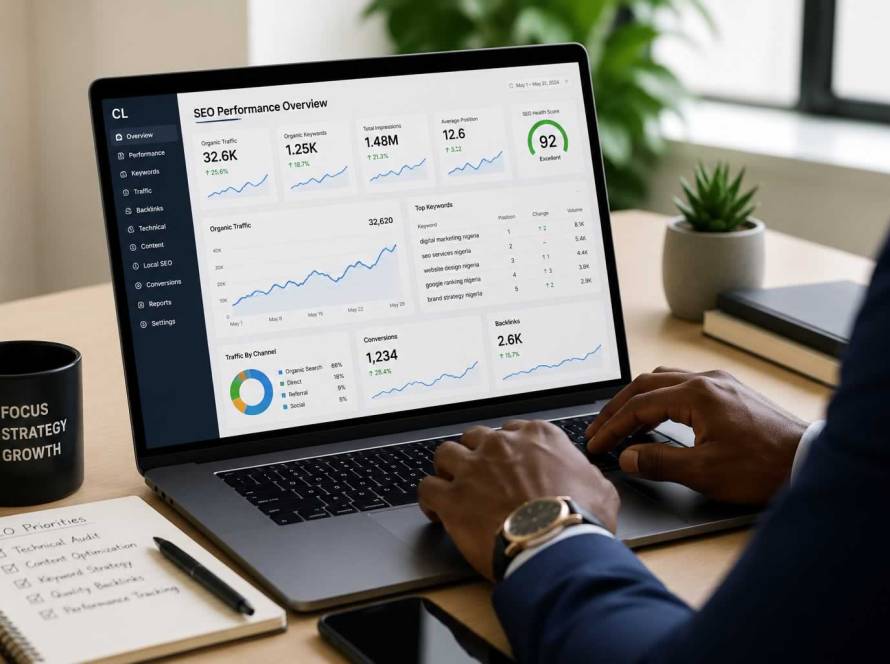
Website maintenance in Nigeria includes regular security and plugin updates, backups, speed optimisation, content updates, broken-link fixes, and performance monitoring to keep your website secure, fast, and effective for business growth.
Website maintenance is a very important aspect of owning websites. Unfortunately, many business owners in Nigeria and many other parts of the world think that launching a website is the finish line. In reality, it is only the beginning.
According to The Drop Times, you could lose about 7% of your conversions because of a one-second delay in your website’s load time. This is just one of the issues poor website maintenance can cause for your brand.
Imagine building a beautiful physical store, stocking it with products, and then locking it up for six months without cleaning, checking the electricity, fixing broken shelves, or updating the prices. That’s exactly what happens when businesses ignore website maintenance services after launching their site.
Your website is a living part of your business. As such, it needs regular care to stay secure, fast, relevant, and profitable. But what does website maintenance actually include? For many Nigerian business owners, this is where confusion starts.
Some think it just means renewing hosting. Others believe it only matters when something breaks. The truth is, website maintenance is much bigger than that. If your business relies on its website for leads, sales, credibility, or customer engagement, understanding it can save you money and protect your growth.
What Is Website Maintenance?
Website maintenance is the ongoing process of checking, updating, securing, and improving your website to ensure it works properly. It covers everything from technical updates to performance improvements.
Think of it like servicing a car. You don’t wait until the engine fails before changing the oil. This same logic applies to your website. A strong website maintenance plan keeps your digital presence healthy, functional, and competitive. Without it, small issues can quickly become expensive problems.
Why Website Maintenance Matters for Nigerian Businesses
The digital economy in Nigeria is growing fast. Did you know that Nigeria’s e-commerce market is forecast to be worth about $18.68 billion in 2031? According to Matog Consulting (2026), this is a growth rate of more than 12% per annum. This statistic indicates that customers search online, compare businesses, and make decisions within seconds. If your site is slow, broken, or insecure, they will leave. This is why website support services in Nigeria have become essential.
Let’s check out a quick example.
Chika runs a thriving beauty brand in Abuja. Her website was generating steady orders until one day it crashed during a major sales campaign. What caused it? An outdated plugin. The result of this issue is that she lost customers, sales, and trust; all because of a simple maintenance issue.
That is the hidden cost of neglect. Regular website maintenance protects your business from avoidable setbacks.
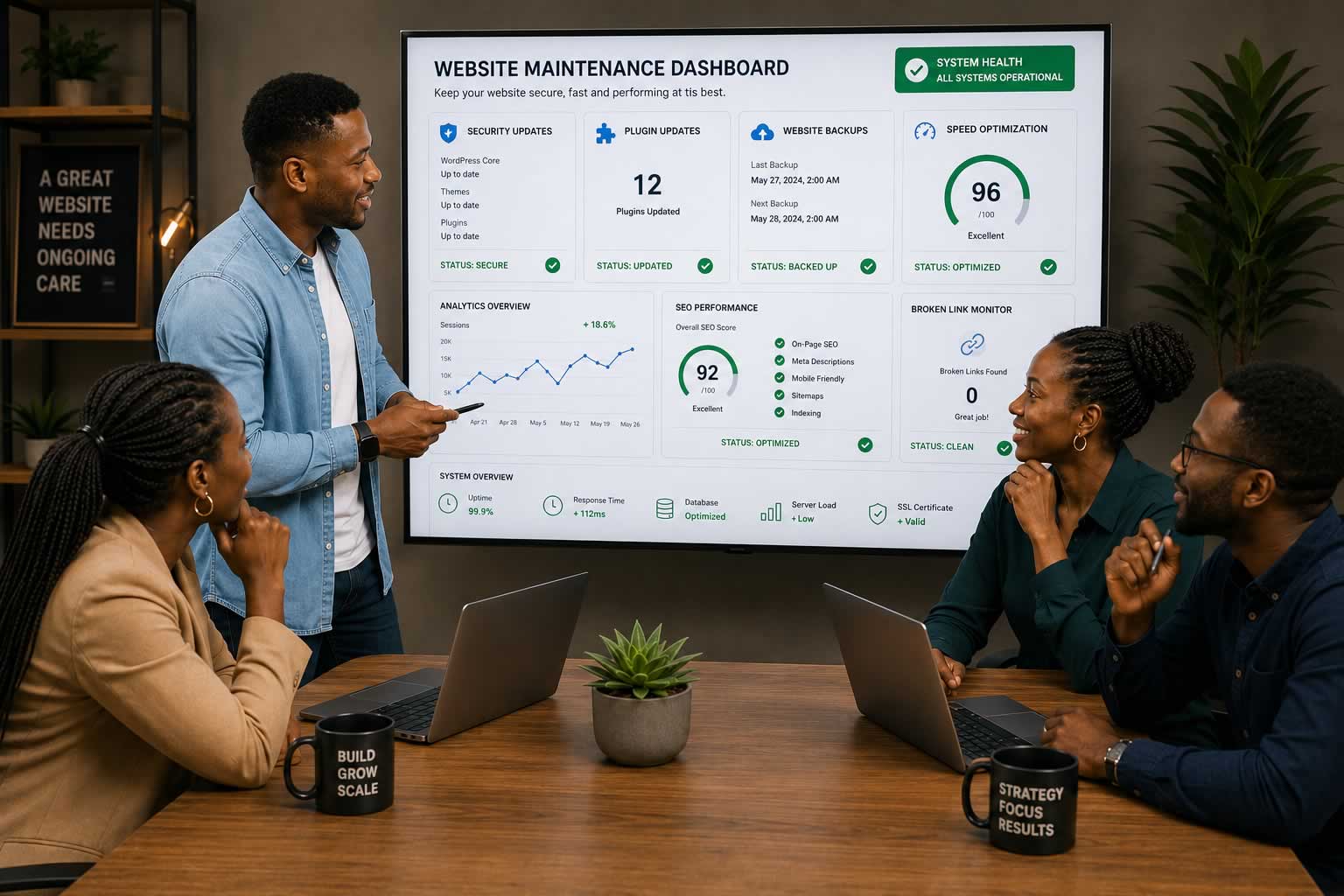
What Does Website Maintenance in Nigeria Actually Include?
As a business owner in Nigeria, you must have heard that your business needs a website and are interested in getting one as quickly as possible. If you have read this far, you must have picked up that website maintenance services are just as important as setting up the website, if not more so. The question is, what does website maintenance in Nigeria actually include?
1. Website Security Updates
Security is one of the biggest parts of website maintenance. Hackers are constantly looking for vulnerabilities. What security updates does your website need regularly:
They include:
- Updating plugins and themes.
- Renewing SSL certificates.
- Running malware scans.
- Fixing security loopholes.
- Monitoring suspicious activity.
For businesses handling customer data, this is critical. Strong website security practices protect both your brand and your customers.
2. Software and Plugin Updates
Most websites are built with content management systems like WordPress. These platforms release updates regularly.
Working with these updates helps to improve your website’s performance, fix bugs, and strengthen security. Ignoring updates can lead to broken features and compatibility issues. In plain terms, a simple update can help protect your website from a major downtime.
3. Website Speed Optimisation
Speed is a major influence on everything, including SEO, user experience, and sales. If your site takes too long to load, visitors will bounce. What does website speed optimisation involve?
This part of maintenance includes:
- Compressing images.
- Cleaning up unnecessary code.
- Optimising databases.
- Improving caching.
- Monitoring load times.
This is why website speed optimisation is becoming a major focus for serious brands. A faster website means better conversions.
4. Backup Management
Imagine waking up to find your entire website gone. No files. No customer data. Nothing. This may happen sometimes, but with regular backups, you can restore your website quickly.
What does backup management entail? It includes the following operations:
- Daily or weekly backups.
- Cloud storage backups.
- Backup testing.
A key takeaway here is that backup management is a safety net for your website in the event of any eventualities.
5. Content Updates
Your website should evolve as your business grows or adjusts its products, services, or operations. Leaving outdated information on your website affects your trust points with your target audience. What should you do in this regard?
Content updates may include:
- Updating service pages.
- Adding new products.
- Publishing blog posts.
- Refreshing images.
- Editing pricing.
This is why SEO maintenance in Nigeria is very important. Search engines love fresh, relevant content. When your site is stagnant content-wise, it often loses rankings.
6. Broken Link Checks
Nothing frustrates users more than clicking a page and landing on an error page. You’ve probably experienced this when browsing webpages, so you can tell how frustrating it is. Beyond being so annoying, broken links can hurt both user experience and SEO. Proper and frequent website maintenance helps identify and fix these issues before they become bigger problems.
7. Performance Monitoring
A very important aspect of website maintenance is finding out how your website performs over time. You need to review the data to understand this. This involves monitoring the following:
- Traffic trends.
- Bounce rates.
- Page speed.
- Conversion rates.
- Technical errors.
With access to this information, you can make better decisions for your website and your brand overall.
How Often Should Website Maintenance Be Done?
The frequency of your website maintenance process should depend on two important factors. It depends on your business. However, you should note that with website maintenance, consistency matters more than frequency.
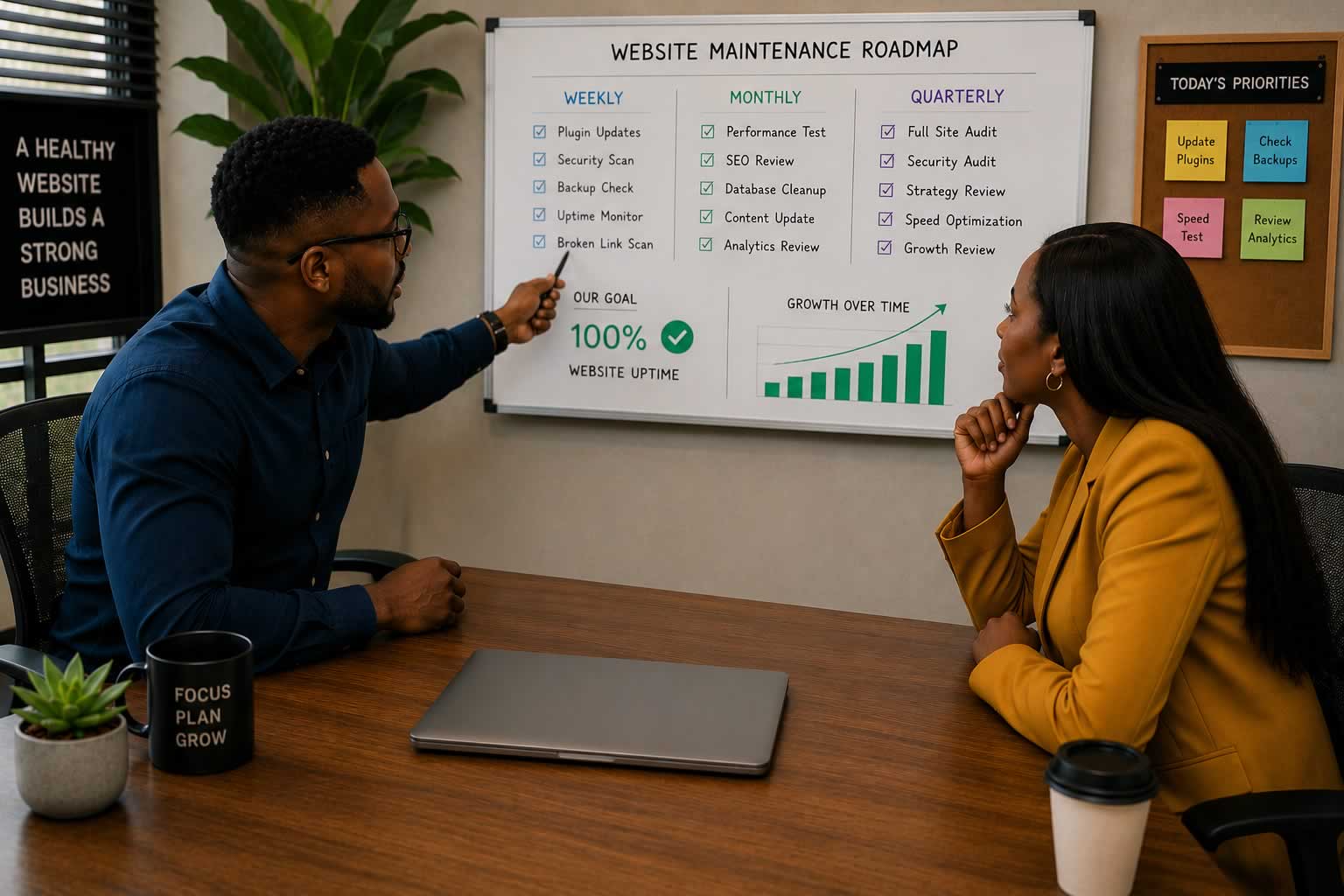
Generally, here’s how often you should maintain your website, broken into weekly, monthly, and quarterly processes:
Weekly
- Plugin updates.
- Backups.
- Security scans.
Monthly
- Speed checks.
- SEO reviews.
- Broken link audits.
Quarterly
- Full performance reviews.
- Content updates.
- Strategy improvements.
Final Thoughts
Your website is one of your most valuable business assets. It works for you 24/7 and is your brand’s real estate online. Like every other important asset, your website needs care. A proper website maintenance plan keeps your website secure, fast, relevant, and profitable. It protects your investment, strengthens customer trust, and helps your business grow without interruptions.
At Corporately Lucid, we help businesses stay ahead with reliable website maintenance, technical support, and digital growth strategies tailored for Nigerian brands. Book a discovery session today, and let’s make sure your website keeps working for your business.
Frequently Asked Questions (FAQs)
How much does website maintenance cost in Nigeria?
Website maintenance costs vary depending on your site size and needs, but basic plans often cover updates, security, backups, and performance checks.
Is website maintenance necessary for small businesses?
Yes. Small businesses are just as vulnerable to website issues as large brands, and downtime can have a bigger impact.
How often should I update my website?
At a minimum, websites should be checked weekly and reviewed monthly for performance, security, and content updates.
Does website maintenance improve SEO?
Yes. Regular updates, speed optimisation, and fixing broken links all contribute to better search engine rankings.