TL;DR: Video editing is more than cutting clips together. For Nigerian brands, it means creating videos that fit the brand, connect with the audience, and achieve a clear goal. Costs vary based on factors such as video length, complexity, available footage, turnaround time, and the number of deliverables. Knowing what goes into the process can help you set a realistic budget and choose the right editing service.
Video editing is no longer optional for Nigerian brands. Businesses are using video content to tell their stories, showcase their products and services, and connect with their audiences.
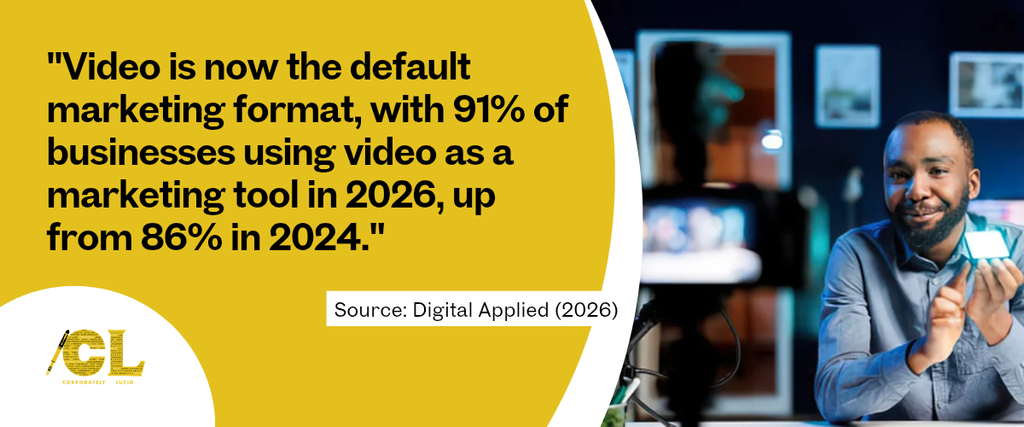
From Instagram Reels and TikTok videos to YouTube content, product demonstrations, corporate videos, and paid ads, video is now a key part of how businesses communicate online.
Having established the importance of video content. Nigerian business owners need to understand that a well-shot video can still fail if the message is unclear, the pacing is slow, the visuals don’t reflect the brand, or the editing fails to keep viewers engaged.
This makes video editing more than cutting clips together. Good editing brings the visuals, audio, message, and brand voice together to create content with a clear purpose. And the results show why it matters. According to Wyzowl (2026), 82% of marketers say video marketing has delivered good ROI. So, what should Nigerian businesses expect from the editing process, and how much should they budget for it?
Here’s what you need to know before starting a video editing project.
What Is Video Editing?
Video editing is the process of combining and refining visual, audio, and graphic elements to create a cohesive video that communicates a specific message and achieves a defined goal.
This can involve selecting and arranging footage, incorporating stock videos, creating or adding motion graphics, editing voiceovers, adding music and sound effects, improving colour, creating captions, and applying brand elements.
For Nigerian businesses, the goal isn’t simply to create a video that looks good. Good video editing should make your message easier to understand, keep viewers engaged, reflect your brand identity, and guide your audience towards a desired action. That’s why choosing the right video editing service matters. A professional video editor can bring the technical skill and creative direction needed to turn your raw footage into content that works for your business.
For example, a Nigerian business launching a new service might use a combination of talking-head footage, stock videos, animated text, screen recordings, and motion graphics to explain the service and encourage potential customers to book a consultation. The editor’s job is to make all these elements work together as one clear story.
What to Expect From the Video Editing Process
The video editing process might differ among editors. However, a good video editing process starts with understanding the concept or story involved in the video. This includes what the video is supposed to achieve and whom it is meant to reach.
1. Understanding the Brand and Video Objective
Before editing begins, the editor needs to understand the brand, its audience, voice, and the video’s purpose. This influences almost every creative decision that follows.
The editor should also understand the brand’s visual identity and communication style so that the finished video feels like an extension of the brand rather than a disconnected piece of content.
2. Reviewing and Gathering Visual Assets
Once the objective is clear, the available assets are reviewed. These may include:
- Original video footage.
- Stock videos.
- Product images.
- Brand graphics.
- Screen recordings.
- Illustrations.
- Motion graphics.
- Animations.
- Voiceovers.
- Music and sound effects.
Not every project will have everything it needs from the beginning. If the available footage doesn’t adequately communicate the message, stock footage, animation, motion graphics, or other visual elements may be incorporated to fill the gaps.
3. Storyboarding and Structuring the Video
After the assets have been reviewed, the video needs a structure. The editor determines how the message will unfold, what viewers should see at different points, where the voiceover or text should come in, and how the visuals should transition from one idea to another.
For more complex projects, this may involve a storyboard or detailed creative direction before editing begins. The objective is to make sure every visual element supports the overall message.
4. Editing and Pacing
Once the structure is established, the editor begins assembling the video. This involves selecting the strongest footage, arranging scenes, removing unnecessary sections, creating transitions, and controlling the pace.
Pacing is especially important for social media. If the introduction is too long or the video contains unnecessary pauses, viewers may scroll away before reaching the main message. Good editing keeps the video moving without making it feel rushed.
5. Motion Graphics, Captions and Branding
Depending on the project, motion graphics and other visual elements can play a major role in the editing process. These may include:
- Animated text.
- Captions.
- Logos.
- Icons.
- Charts.
- Transitions.
- Product animations.
- Screen animations.
- Branded graphics.
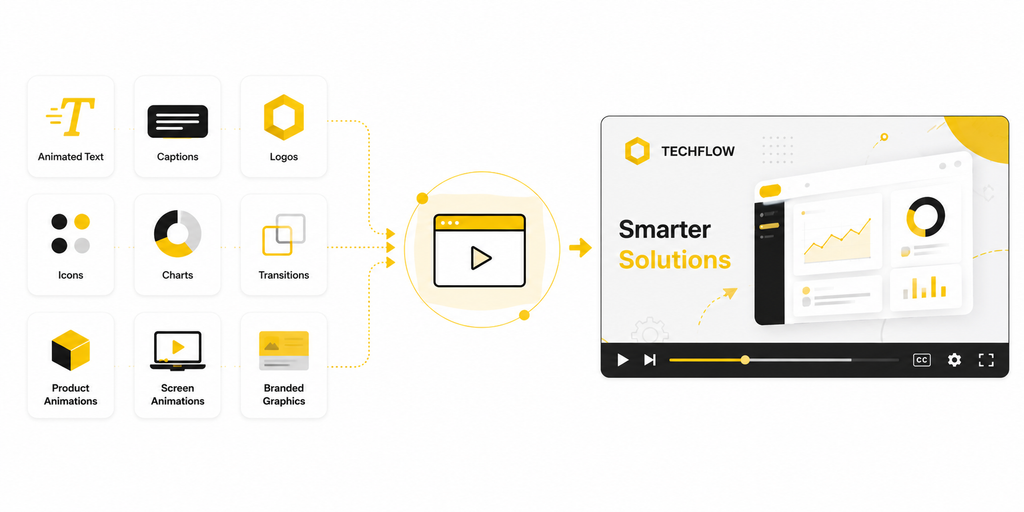
Motion design can be particularly useful when a concept is difficult to communicate through footage alone. For example, a technology company explaining how its platform works may rely heavily on screen recordings, animated graphics, and motion design rather than traditional video footage.
6. Colour, Sound and Finishing
Once the visual structure is complete, the editor works on the finishing details. This can include colour correction, audio balancing, noise reduction, music, sound effects, voiceover mixing, and other adjustments.
These elements help create consistency and make the video feel polished. Good sound is particularly important. A visually attractive video with poor or distracting audio can quickly lose credibility.
What Determines the Cost of Video Editing in Nigeria?
There isn’t one fixed price for video editing because every project has different creative and technical requirements. Several factors can influence how much you’ll pay. Some of them include:
Video Length
The length of the final video can affect the amount of work involved. A 30-second social media video may require less editing than a 15-minute corporate video.
Editing Complexity
The complexity of the project is one of the biggest factors affecting cost. Basic editing may involve cutting footage, arranging clips, cleaning audio, and adding simple captions. More complex projects may require:
- Motion graphics.
- Animation.
- Visual effects.
- Advanced colour grading.
- Multiple camera angles.
- Complex sound design.
- Custom graphics.
- Stock footage research.
- Screen animations.
- Multiple layers of visual elements.
The more creative and technical work involved, the more time the project is likely to require.
Type and Availability of Assets
What you provide to the editor can also affect the cost. If you already have high-quality footage, graphics, music, and a clear script, the editing process may be more straightforward.
If the project requires the editor to source stock footage, create graphics, animate elements, clean poor-quality footage, or work with limited assets, the scope of the project increases.
Turnaround Time
How quickly you need the finished video can also affect pricing. A standard project may take several days or more depending on its scope. If you need a video completed within 24 to 48 hours, you may pay more for an expedited turnaround.
Number of Deliverables
One video doesn’t always mean one final file. A Nigerian brand might turn one campaign into: a YouTube video, three Instagram Reels, three TikTok videos, A LinkedIn video, and short clips for paid advertising.
Creating multiple versions from the same project increases the scope and should be considered when planning your budget.
How Much Should Nigerian Brands Budget for Video Editing?
There is no universal budget that applies to every Nigerian business. Instead of choosing an editor based solely on the lowest quote, consider the full scope of the project and what you expect the video to achieve.
Before requesting a quote, be clear about:
- The purpose of the video.
- Your target audience.
- Your brand’s voice and visual style.
- The amount and type of assets available.
- The desired final video length.
- The number of videos required.
- The platforms where they will be published.
- Whether stock footage is required.
- Whether motion graphics or animation are needed.
- Whether captions are required.
- The number of revisions.
- Your expected delivery date.
Providing this information helps an editor understand the project and give you a more accurate estimate. It also makes comparing quotes easier.
Two editors may give you very different prices because they are offering different levels of creative input, editing, motion design, turnaround time, or deliverables.
So don’t just ask:
“How much does video editing cost?”
Ask:
“What am I getting for what I’m paying?”
A well-edited video can continue to work for your business long after it’s published. It can attract new customers, strengthen your brand image, support advertising campaigns, and be repurposed into multiple pieces of content.
How Can Video Editing Help Your Business in 2026?
As more Nigerian businesses compete for attention online, simply creating videos is no longer enough. Your videos need to communicate quickly, look consistent with your brand, and give viewers a reason to keep watching.
Effective video editing can help your business:
- Capture attention quickly.
- Communicate your message clearly.
- Strengthen your brand identity.
- Increase engagement across social platforms.
- Build credibility and customer trust.
- Turn one idea into multiple pieces of content.
- Combine footage, stock videos, graphics, and motion design effectively.
- Create content suited to different platforms.
- Save your team time and resources.
Instead of treating every video as a one-off project, you can build a content system in which a single shoot, campaign, or creative idea produces multiple useful pieces of content.
Conclusion
Video editing is an important part of turning a business’s ideas and visual assets into content that people can understand, remember, and act on. Whether you’re working with original footage, stock videos, motion graphics, animation, screen recordings, or a combination of different assets, the process should begin with a clear understanding of your brand, audience, message, and objective.
The cost will then depend on factors such as the video’s length, complexity, available assets, turnaround time, revisions, and number of deliverables. Understanding these factors before starting a project makes it easier to set a realistic budget and choose an editing service that fits your business needs.
At Corporately Lucid, we provide professional video editing services that help Nigerian brands turn ideas and visual assets into polished, engaging, and platform-ready content. Whether you need social media videos, YouTube content, promotional videos, advertisements, motion graphics, or short-form content created from longer videos, our team can help you create videos that support your marketing goals.
Ready to get more from your video content?
Reach out to us today. Let’s build a video strategy that helps your brand capture attention, build trust, and drive growth in 2026.
Frequently Asked Questions (FAQs)
- What is video editing?
Video editing is the process of combining and refining visual, audio, and graphic elements to create a cohesive video that communicates a specific message and achieves a defined goal.
- Why is video editing important for Nigerian businesses?
Video editing helps businesses communicate their message clearly, maintain a consistent brand identity, hold viewers’ attention, and create content that supports their marketing objectives.
- Can video editing include stock footage and motion graphics?
Yes. Video editing can involve much more than original footage. Depending on the project, an editor may work with stock videos, motion graphics, animation, screen recordings, images, voiceovers, music, and other visual or audio assets.
- How long does video editing take?
Turnaround depends on the length and complexity of the project. A simple social media video may take a few days, while larger projects involving animation, motion graphics, extensive asset sourcing, or multiple deliverables may take longer.
- How much does video editing cost in Nigeria?
Video editing costs vary depending on factors such as video length, complexity, available assets, motion graphics, stock footage requirements, turnaround time, revisions, and the number of final deliverables. Providing the complete project scope is the best way to receive an accurate quote.
- Should I hire a professional video editor?
If you have the time, skills, and editing software, you can edit your own videos. However, hiring a professional video editor can save time and help you produce more polished, consistent content, particularly for brand campaigns, advertisements, social media, and other marketing projects.
- Can Corporately Lucid help with video editing?
Absolutely. Corporately Lucid provides video editing services for Nigerian brands, including social media videos, YouTube content, promotional videos, advertisements, motion graphics, and short-form content repurposed from longer videos.